
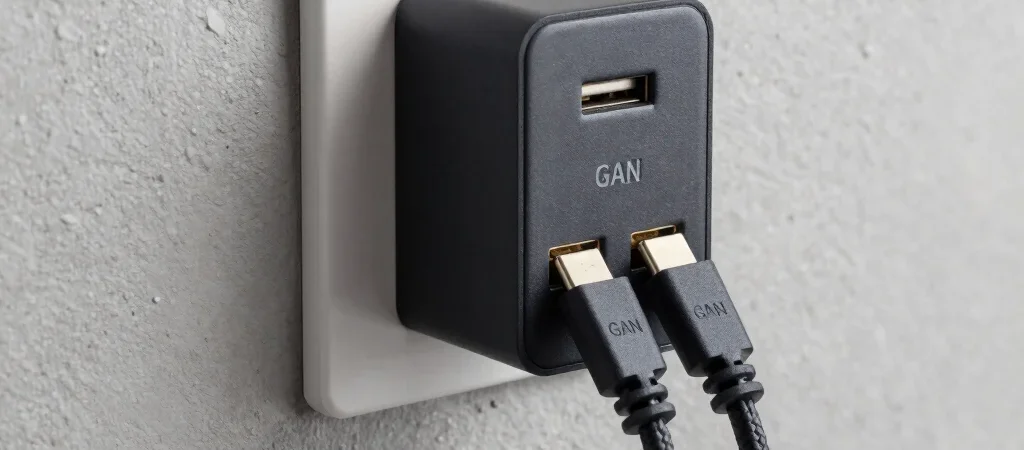
Gallium Nitride technology has completely altered the power adapter market by shrinking multi-port wall chargers down to the size of a golf ball. While viral tech videos showcase these tiny bricks powering laptops and phones simultaneously, long-term performance comes down to heat dissipation. We placed several high-wattage wall plugs through a multi-hour electrical stress test to measure output stability.
Sustained Output Wattage and Power Distribution
Many multi-port chargers boast a high total wattage figure on the packaging, but split that power unevenly when multiple cables are connected. During multi-port stress tests, superior adapters dynamically allocated sustained output wattage without dropping connection renegotiations. Cheaper alternatives repeatedly disconnected power to recalibrate voltage, which interrupts fast charging protocols on modern smartphones.
Thermal Management in Compact Enclosures
Shrinking the footprint of a transformer creates a dense internal environment where heat can build up rapidly. High-grade thermal potting compound and aluminum dissipation plates are critical for preventing premature power throttling under heavy load. In our bench testing, chargers with robust thermal management maintained peak wattage outputs without reaching unsafe exterior temperatures.
Selecting the Right Wall Charger for Your Setup
When evaluating options on a verified Amazon listing, pay close attention to individual port output specifications rather than aggregate wattage numbers. Choosing a charger with dedicated high-wattage USB-C output and verified GaN efficiency ensures your devices charge at maximum speed without thermal safety shutdowns.

![Anker 333 Nylon Cable USB C Carga Rapida 100W, PD 3.0 [1,8m] Negr...](https://m.media-amazon.com/images/I/41eOQm+hOjL._AC_.jpg)
